
Highlights of Safe Roads Initiatives
The standout highlights of the Safe Road Initiative, showcasing measurable safety improvements, lives protected, informed youth, and community-driven actions that reduce impaired driving and create safer roads.
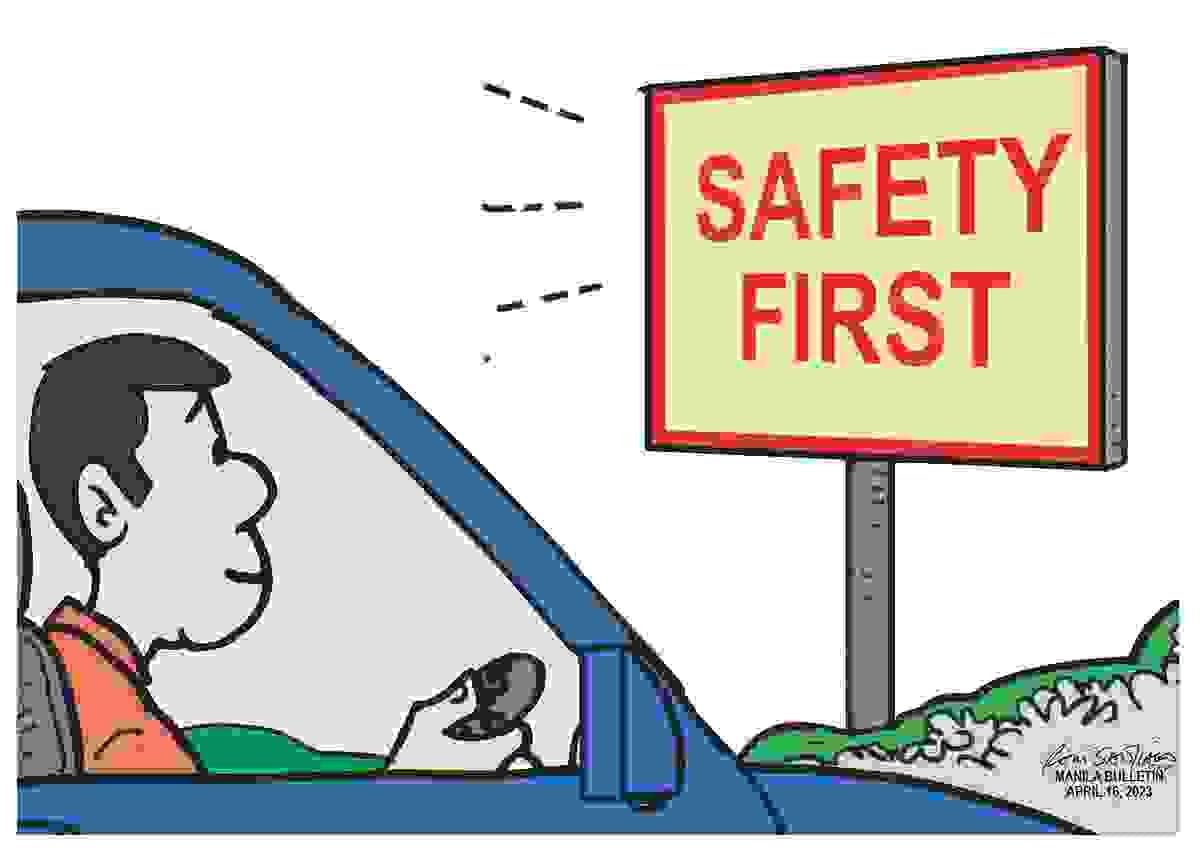
Building a Culture of Responsibility and Care
Preventing drinking and driving goes beyond individualchoices—it requires a collective effort. Families, schools, businesses,
faith-based groups, and local organizations all play a vital role in shaping
attitudes and behaviors. Communities can take action by:Encouraging: designated drivers and ride-sharing options
Supporting: alcohol-free events and safe transportation programs
Advocating for stronger enforcement of drunk-driving laws
Creating: safe spaces for open conversations about substance use
When people look out for one another and speak up, lives are saved.
Advocacy That Creates Lasting ChangeAdvocacy turns awareness into action. By supporting policies, community initiatives, and victim-support programs, we can
reduce the number of alcohol-related accidents and hold impaired driving accountable. Advocacy also amplifies the voices of victims and survivors, reminding us why this issue matters so deeply
A Safer Future Starts With Us
The goal of increasing awareness about the dangers ofdrinking and driving is simple yet powerful: to save lives. Every informed
decision, every conversation, and every act of responsibility brings us one step closer to safer roads for everyone.
Together, through education, support, and advocacy, we cancreate a culture where driving under the influence is never an option—and where every journey ends safely.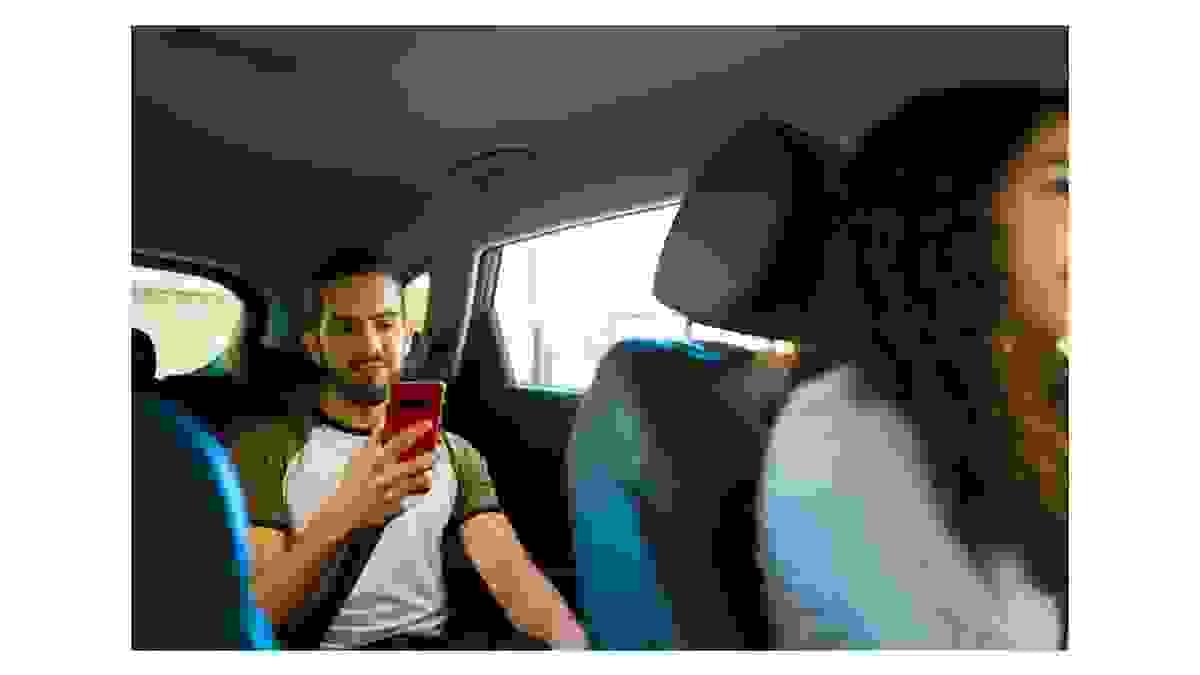
🚗➡️🚶♀️ PromotingAlternative Transportation to Prevent Drinking and Driving
Preventing drinking and driving is a shared responsibility.By making alternative transportation affordable, accessible, and socially encouraged, communities can save lives, reduce injuries, and create safer roads
for everyone.
1. Partner With Ride-Sharing ServicesCollaborate with companies like Uber and Lyft to offer discount codes or free rides during holidays, weekends, and major events.
Promote “Safe Ride Nights” where local businesses sponsor rides home or
nonprofits.- Encourage bars and restaurants to display ride-share QR codes at entrances and tables.
2. Expand Public Transportation Access
Advocate for extended bus or train hours during evenings, weekends, and special events.
- Offer reduced or free fares during peak nightlife hours.
- Promote awareness of existing transit routes through social media, flyers, and community outreach.
3. Community-Based Safe Ride Programs
Establish volunteer-driven designated driver or safe ride programs, especially in rural or underserved areas.
- Partner with faith-based groups, civic organizations, and colleges to staff and fund these programs.
- Create a simple hotline or app for requesting a safe ride home.
4. Designated Driver Incentives
Encourage venues to offer free non-alcoholic drinks, food discounts, or priority parking for designated drivers.
- Provide , visible recognition such as wristbands or badges to promote social accountability and positive reinforcement.
5. Employer & Workplace Initiatives
Encourage employers to provide ride vouchers for company events, conferences, and
celebrations.- Include safe transportation policies in workplace wellness and safety programs.
- Promote “Plan Your Ride Home” messaging before corporate gatherings.
6. Event-based Transportation Planning
- Require large events, festivals, and fundraisers to include transportation plans as part of their permits.
- Offer shuttle services between venues, hotels, and parking areas.
- Promote ride-share drop-off and pick-up zones for easy access.
7. Support A Walking & Micromobility Options
Improve lighting, sidewalks, bike lanes, and pedestrian safety near entertainment districts.
- Promote bike-share and e-scooter programs with clear safety guidelines.
- Provide secure bike parking near nightlife locations.
8. Public Awareness & Education Campaign
Normalize alternative transportation as a smart and responsible choice, not a last resort.
- Share real-life stories showing how safe ride options save lives.
- Use slogans like:
- “Plan the Ride. Save a Life.”
- “Buzzed Driving Is Drunk Driving—Choose Another Way Home.”
9. Local Government & Policy Support
Advocate for funding dedicated to safe transportation initiatives.
- Support policies that require alcohol-serving venues to display transportation options.
- Collect and share data to demonstrate the impact of alternative transportation on reducing DUI incidents.
10. Youth & College Engagement
- Promote campus shuttle systems and late-night transit services.
- Encourage peer-led campaigns that make using alternative transportation socially acceptable and encouraged.
Offer incentives for students who pledge not to drink and drive
👥 Engaging Youth in Responsible Decision-MakingResponsible decisions today protect your future—and the lives of others. When youth are trusted, educated, and empowered, they become powerful leaders for change.
Program DescriptionThe Youth Engagement & Responsible Decision-Making Program is designed to empower young people to become informed leaders and advocates for safe behaviors, particularly in preventing drinking and driving.
This program recognizes that youth are more likely to adopt responsible behaviors when they are actively involved in decision-making, peer education, and community leadership. By equipping youth with practical skills, knowledge, and leadership opportunities, the program fosters a culture of accountability, safety, and shared responsibility.Program Goals
The primary goal of this initiative is to reduce alcohol-related risk behaviors among youth by strengthening their ability to
make informed, responsible decisions. The program aims to:Increase youth awareness of the dangers and legal consequences of impaired driving.
- Build critical decision-making and risk-assessment skills.
- Normalize the use of alternative transportation and sober driving options.
- Develop youth leadership and civic engagement in community safety efforts.
- Target Population
The program will serve youth ages 14–24, with a focus onhigh school and college-aged individuals who are at higher risk for exposure to impaired driving scenarios. Priority will be given to underserved and at-risk youth communities where access to prevention resources is limited.
Program Activities
Key activities include:
1. Youth Leadership & Ambassador Programs
Establish a Youth Safety Ambassador Program where students lead peer-to-peer education on responsible choices.
- Train youth to advocate for sober driving, safe transportation, and community safety.
- Provide leadership certificates, service hours, or scholarships to recognize participation.
2. Peer-Led Education & Mentorship
- Encourage peer-to-peer discussions, as youth are more influenced by their peers than authority figures.
- Pair high school students with college mentors who model responsible behavior.
- Use real-life scenarios and role-playing to practice decision-making skills.
3. Interactive Workshops & Simulations
Conduct workshops that focus on real consequences, not fear-based messaging.
- Use driving simulators, impaired-vision goggles, or decision-based games to show risks.
- Include activities where youth plan safe transportation options before social events.
4. Youth Advisory Councils
Form a Youth Advisory Board that helps design campaigns, events, and messaging.
- Allow youth voices to shape how prevention programs are delivered.
- Involve them in evaluating what works and proposing improvements.
5. School & Community Partnerships
Integrate responsible decision-making into school curricula and after-school programs.
- Collaborate with youth organizations, sports teams, and clubs to embed safety messaging.
- Host assemblies and forums where youth can ask questions in a judgment-free space.
6. Digital & Social Media Engagement
Empower youth to create short videos, reels, and graphics promoting safe choices.
- Run social media challenges that encourage planning a sober ride home.
- Highlight youth-created content on community platforms to amplify their voices.
7. Incentive-Based Participation
Offer incentives such as gift cards, event tickets, or school credits for program completion.
- Recognize youth publicly through awards, certificates, or community spotlights.
- Partner with local businesses to sponsor youth-driven initiatives.
8. Decision-Making Skill Development
Teach practical skills such as:
Risk assessment
- Assertive communication (“saying no”)
- Planning ahead
- Peer pressure resistance
Use real-world scenarios that youth actually face, not abstract examples.
9. Family & Community Involvement
Encourage family discussions on safe driving and alcohol use.
Provide tools for parents to reinforce responsible decision-making at home.
Host family-focused events that promote shared responsibility.
10. Youth-Led Community Service Projects
Support youth in creating their own safety campaigns, events, or safe rides
programs.Involve them in community surveys and awareness walks.
Allow youth to see the real impact of their leadership on community safety.
Expected Outcomes
By the end of the program cycle, the initiative expects to achieve the following outcomes:
Increased knowledge among participants regarding the risks and consequences of
drinking and driving.- Improved confidence and skills in making responsible decisions under peer pressure.
- Increased use and promotion of alternative transportation options among youth.
- Strengthened youth leadership and sustained engagement in community safety efforts.
Evaluation Plan
- Program effectiveness will be measured through pre- and post-program surveys assessing changes in knowledge, attitudes, and
decision-making behaviors. Additional evaluation methods will include
participation tracking, youth feedback sessions, and community impact
assessments. Findings will be used to refine program delivery and demonstrate
measurable outcomes to stakeholders and funders.
Sustainability
Sustainability will be achieved through partnerships with schools, community organizations, local businesses, and transportation
providers. Youth leaders trained through the program will continue to serve as
peer educators and mentors, ensuring ongoing impact beyond the grant period.
Long-term sustainability will also be supported through volunteer engagement,
community sponsorships, and integration of the program into existing youth
development and safety initiatives.Advocacy & Systems-Change Initiative for Safe Roadsand Impaired Driving Prevention
Statement of Need
Impaired driving remains a leading cause of traffic-related injuries and fatalities, disproportionately affecting youth, families, and
underserved communities. Despite existing laws and enforcement efforts, gaps remain in policy effectiveness, public awareness, and access to safe transportation alternatives. Education alone is insufficient; sustainable reductions in impaired driving require systems-level change that integrates policy reform, enforcement, community engagement, and youth leadership.
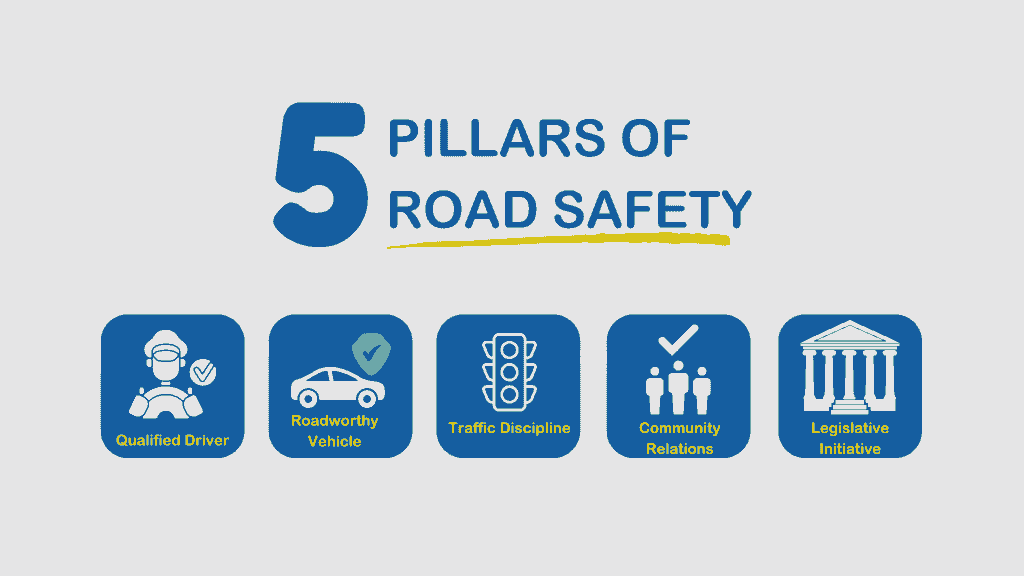
This initiative addresses these gaps by advancing advocacy-driven solutions that strengthen laws, enhance enforcement
practices, and align the community prevention
Expected Outcomes
The initiative expects to achieve the following outcomes:- Improved alignment between impaired driving laws and evidence-based best practices.
Increased enforcement visibility and public awareness of impaired driving
consequences.- Greater youth and community participation in transportation safety advocacy.
- Strengthened collaboration across public safety, transportation, and community sectors.
- Long-term reductions in impaired driving incidents and related injuries.
Evaluation & Accountability
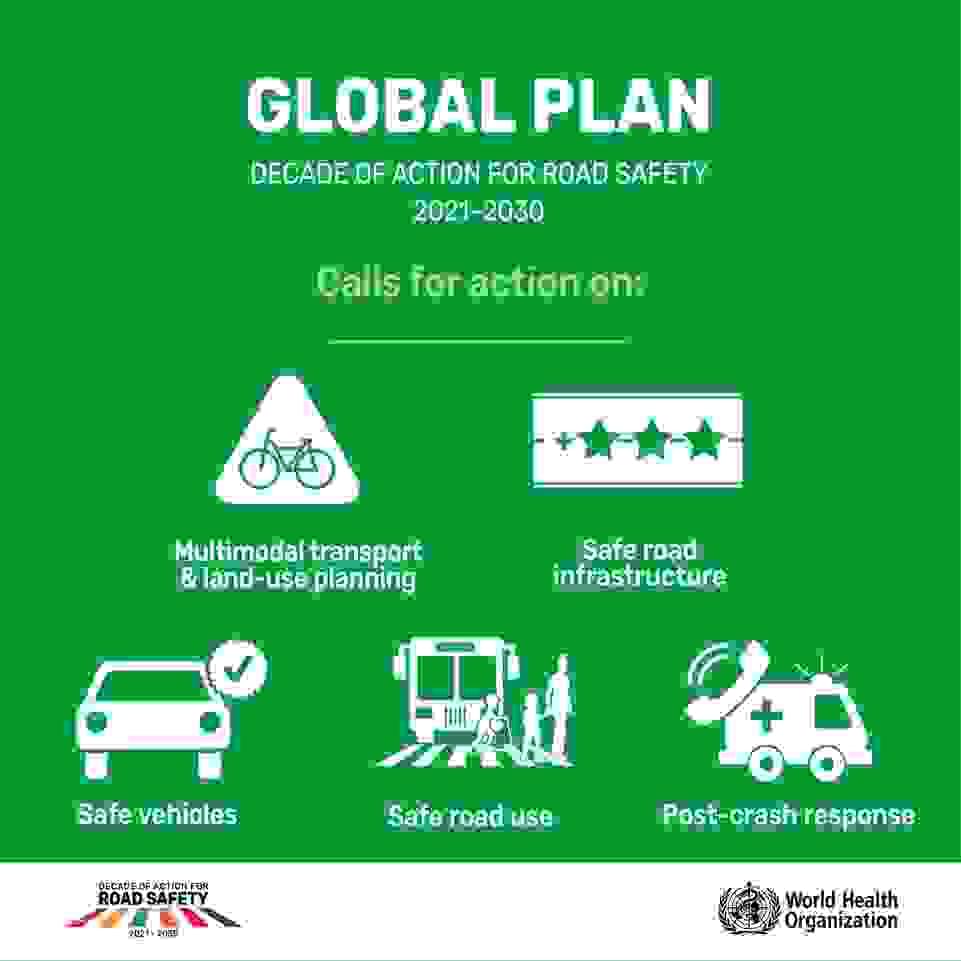
Program effectiveness will be measured through:
Tracking policy changes, resolutions, or legislative actions influenced by advocacy efforts.
Monitoring the enforcement campaign implementation and community awareness.
- Assessing youth and community engagement through participation data and feedback.
- Reviewing traffic safety data to identify trends and long-term impact.
- Evaluation findings will be shared with funders, partners,and policymakers to support transparency, accountability, and continuous
improvement.
Sustainability & Systems Impact
Sustainability will be achieved by embedding advocacyefforts within existing Safe Roads and community prevention networks. By
building long-term partnerships with policymakers, law enforcement, and youth
leaders, the program ensures that systems-level improvements continue beyond
the grant period. Trained youth advocates and established policy relationships
will support ongoing reform, reinforcing safer roads as a permanent community
priority.